
Memory Against Erasure
La piel del tamborThis flow traces how the church, the family archive, and the novel’s remembered lives resist the disappearance of people and worlds.
increasing Bearing strength in each event
 decreasing
Bearing strength in each eventdecreasingA City of Layers
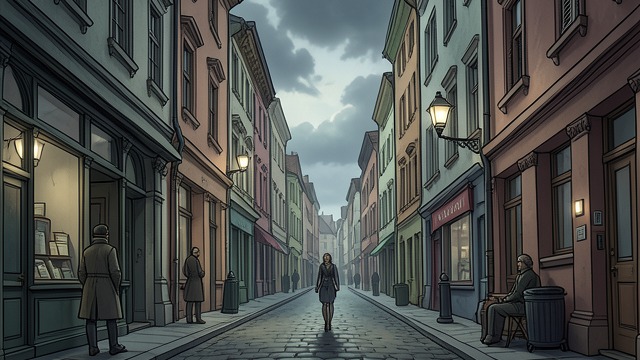
A City of Layers
History in the streets
Quart experiences Seville as a city where successive religious and political histories remain visible in buildings, streets, and shared customs. The city’s stones seem to carry memories that institutions and individuals forget.
A setting that persists
This layered past contrasts with the transient visitors and commercial plans around the church. Seville’s continuity makes the threatened parish part of a larger question about what a community chooses to preserve.
Carlota’s Unsent Words
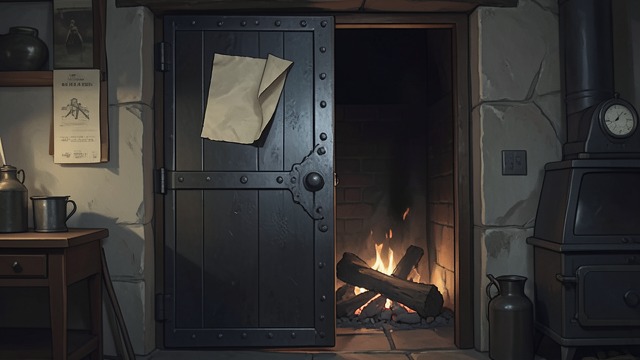
Carlota’s Unsent Words
Letters trapped at home
Carlota writes to Xaloc, but her father intercepts her messages. The letters remain in the family rather than reaching the person for whom they were written.
A record after loss
The preserved correspondence gives later generations access to Carlota’s private voice. It cannot repair the failed relationship, but it prevents her from becoming only a legend.
The Church as Archive
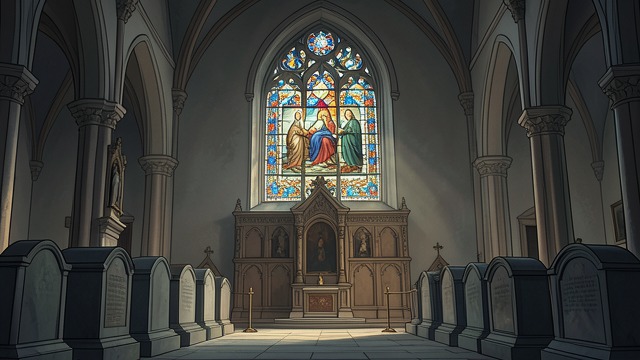
The Church as Archive
Material memory
The church contains the Bruner tombs, Xaloc’s pearls, and the place associated with Carlota’s imagined marriage. Its architecture gathers family history into a public religious space.
Erasure by redevelopment
Demolition would remove more than a damaged structure. It would sever the objects and stories from the living community that still visits and maintains them.
Cruz’s Hacker Archive

Cruz’s Hacker Archive
New tools for an old inheritance
Cruz uses computer networks to make the parish’s plight audible to distant authorities. Her modern technical skill serves a cause grounded in family memory and local history.
Two forms of preservation
The trunk preserves the past through objects; the network carries an appeal into the present. Cruz joins inherited memory to digital intervention rather than treating them as opposing worlds.
Objects Outlasting Their Keepers
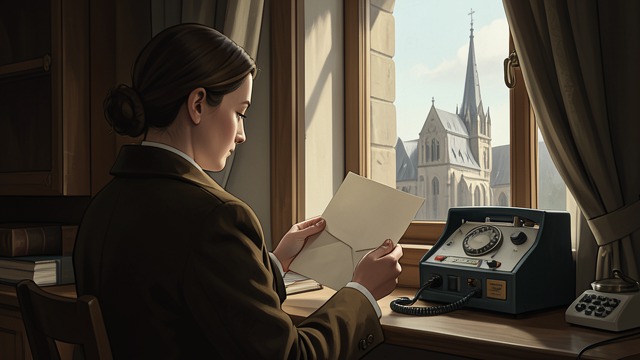
Objects Outlasting Their Keepers
A postcard returned
Macarena sends Quart the postcard that was once meant for Xaloc. It arrives after Cruz’s death, linking the former investigation to a life that continues without its central people.
Memory without rescue
The church remains open and the objects endure, but no preservation can restore the lost lives. The novel treats remembrance as a defense against erasure, not as a cure for it.
Quart’s first days in Seville
the years between Xaloc’s departure and Carlota’s death
during the dispute over demolition
the last night before Quart leaves
after Cruz’s death, during Quart’s exile
